











Saturday, October 10, 2026
  • English
    • Arabic
    • Dutch
    • English
    • French
    • German
    • Hindi
    • Italian
    • Portuguese
    • Russian
    • Spanish
Modern Agriculture India
Advertisement
  • Home
  • News
    Transforming Manufacturing: TAGMA’s Next-Gen Tooling Showcase at 2026 Expo

    Transforming Manufacturing: TAGMA’s Next-Gen Tooling Showcase at 2026 Expo

    Texas Agriculture Issues Urgent Alert As Invasive Pest Detected In Multiple Counties, Including Houston Area

    Texas Agriculture Issues Urgent Alert As Invasive Pest Detected In Multiple Counties, Including Houston Area

    USDA Launches New Regenerative Pilot Program To Lower Farmer Production Costs And Advance MAHA Agenda

    USDA Launches New Regenerative Pilot Program To Lower Farmer Production Costs And Advance MAHA Agenda

    Shibu Jose Joins Global Council Of The World Agriculture Forum (WAF)

    Shibu Jose Joins Global Council Of The World Agriculture Forum (WAF)

    India’s First Edible Oil Consumption Survey Underway

    India’s First Edible Oil Consumption Survey Underway

    Prime Minister Sets Out AI Action Plan At UCL

    Prime Minister Sets Out AI Action Plan At UCL

    UAE To Develop Lander For Emirates Asteroid Belt Mission

    UAE To Develop Lander For Emirates Asteroid Belt Mission

    US To Have Unlimited Access To Al Chips

    US To Have Unlimited Access To Al Chips

  • Agriculture
    Bionetix Unveils New Technology for Managing Drain System Buildup

    Bionetix Unveils New Technology for Managing Drain System Buildup

    Aries Agro Q1 FY27 Results Highlight 49% Surge in Consolidated PAT

    Aries Agro Q1 FY27 Results Highlight 49% Surge in Consolidated PAT

    Westfalia Fruit Advances Its Vision for Avocado Growth Across Asia

    Westfalia Fruit Advances Its Vision for Avocado Growth Across Asia

    South India Agriculture Conference Pushes Digital Farming, Precision Agriculture and Climate-Resilient Agriculture

    South India Agriculture Conference Pushes Digital Farming, Precision Agriculture and Climate-Resilient Agriculture

    Uneven Monsoon Raises Concerns Over India’s Kharif Crop Output as Harvest Season Nears

    Uneven Monsoon Raises Concerns Over India’s Kharif Crop Output as Harvest Season Nears

    FAO Calls for Better Climate Finance to Strengthen Global Agrifood Systems

    FAO Calls for Better Climate Finance to Strengthen Global Agrifood Systems

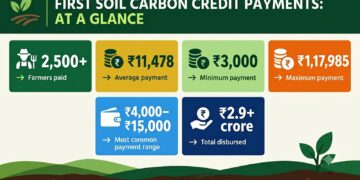
    India Begins Soil-Carbon Payments to Farmers, Opening a New Revenue Opportunity for Sustainable Agriculture  **NEW DELHI:** India has begun making payments to farmers linked to verified soil-carbon credits, marking a significant development in the country’s efforts to connect sustainable farming practices with emerging carbon markets.  More than **2,500 farmers across Punjab and Haryana** are receiving payments associated with measured improvements in soil carbon, according to reports on the initiative. The development offers a new potential source of income for farmers while encouraging agricultural practices aimed at improving soil health and reducing greenhouse-gas emissions.  The initiative comes as agriculture faces growing pressure to increase productivity while protecting natural resources. Continuous cultivation, excessive tillage, inefficient fertiliser use and declining soil organic matter can affect soil quality over time. Carbon-focused farming practices seek to address some of these challenges by increasing the amount of carbon stored in agricultural soils.  ## What Are Soil-Carbon Credits?  Soil-carbon credits are linked to the amount of carbon that agricultural practices can help remove from the atmosphere or retain in soil.  Farmers can potentially generate credits by adopting practices that increase soil organic carbon or reduce emissions. Depending on the methodology used, these practices can include **reduced or zero tillage, improved residue management, cover crops, crop diversification, efficient fertiliser use and other regenerative farming techniques**.  Credits are generally based on measured or verified changes rather than simply on whether a farmer has adopted a particular practice.  This distinction is important because carbon markets require evidence that claimed emissions reductions or carbon storage have actually occurred.  ## Creating an Additional Income Stream  For farmers, the most significant feature of carbon farming is the possibility of receiving income beyond conventional crop sales.  Agricultural revenue can fluctuate considerably because of weather, input prices, crop prices and market conditions. Payments associated with verified environmental outcomes could potentially provide farmers with an additional source of income.  The emerging model links a farmer’s land-management decisions with demand from organisations seeking to account for or compensate for greenhouse-gas emissions.  If carbon markets continue to develop, farmers who adopt suitable practices could potentially earn additional payments while also improving the long-term condition of their soil.  ## Why Soil Health Matters  Soil is one of agriculture’s most important natural resources.  Healthy soils contain organic matter that supports soil structure, water retention and biological activity. Increasing soil organic carbon can contribute to improved soil quality, although the effects depend on local conditions, crop systems and management practices.  Improved soil structure can potentially help fields retain water and withstand periods of moisture stress.  For Indian agriculture, this is particularly relevant as farmers in many regions face increasing pressure from irregular rainfall and water availability.  Better soil management can therefore have benefits that extend beyond carbon accounting.  ## Farmers and Regenerative Agriculture  The growth of soil-carbon programmes is also encouraging greater interest in **regenerative and climate-smart agriculture**.  These approaches generally focus on improving soil health while maintaining or increasing agricultural productivity.  Practices such as reduced tillage can limit soil disturbance. Keeping crop residues in fields can return organic material to the soil. Cover crops can protect soil between production cycles, while crop diversification can support soil biological activity.  However, no single practice is suitable for every farm.  Farmers need to consider local soil characteristics, water availability, crop requirements, machinery, labour and economics before changing their production systems.  ## Measuring Carbon Is a Critical Step  One of the biggest challenges in soil-carbon markets is determining how much carbon has actually been stored.  Unlike a manufactured product, soil carbon can change over time because of weather, cultivation and biological processes.  Carbon-credit programmes therefore need systems for **measurement, reporting and verification**.  Soil samples, field records, remote sensing, modelling and other monitoring methods can be combined to estimate changes in soil carbon.  Reliable verification is essential because buyers of carbon credits need confidence that the environmental benefit represented by a credit is real.  For farmers, accurate measurement is equally important because payments depend on the amount of verified carbon benefits attributed to their land.  ## The Importance of Long-Term Monitoring  Soil-carbon storage is not necessarily permanent.  Carbon levels can decline if land-management practices are reversed. For example, a farmer who moves toward reduced tillage and improved residue management may increase soil carbon over time, but changes in future farming practices could affect those gains.  This means carbon programmes need long-term monitoring rather than relying only on a one-time measurement.  Clear rules around monitoring, verification and the duration of carbon storage will be important as India’s agricultural carbon market develops.  ## Punjab and Haryana at the Centre of the Initiative  Punjab and Haryana have particular significance in India’s agricultural landscape.  The two states are major contributors to the country’s food production, particularly through intensive cereal-based farming systems.  At the same time, intensive agriculture has created concerns around soil health, water use and crop-residue management.  This makes the region an important testing ground for approaches that attempt to combine farm productivity with environmental improvements.  If carbon-linked payments prove economically viable, they could provide farmers with an additional incentive to experiment with improved soil-management practices.  ## Carbon Markets and Indian Agriculture  The emergence of agricultural carbon credits reflects the broader development of India’s carbon-market ecosystem.  Carbon markets are designed to create an economic value for emissions reductions or carbon removal. Companies and other organisations may purchase credits depending on regulatory requirements, voluntary commitments or other market mechanisms.  Agriculture represents a potentially large area of opportunity because soils, vegetation and agricultural practices interact directly with the carbon cycle.  However, agricultural carbon markets are still developing, and their long-term impact will depend on the quality of crediting methodologies, market demand and the costs associated with monitoring and verification.  ## Technology Could Lower the Cost of Participation  Digital technologies could play an increasingly important role in expanding soil-carbon programmes.  Satellite imagery can help monitor agricultural land, while digital farm records can provide information about crop rotations and field practices. Soil sensors and improved sampling techniques can provide additional data.  Artificial intelligence and machine-learning models may also help analyse large quantities of agricultural and environmental information.  The use of technology could eventually reduce the cost of measuring and verifying carbon outcomes, making smaller farms more practical participants in carbon markets.  ## Making Carbon Farming Accessible to Small Farmers  India’s agricultural landscape is dominated by small and marginal farmers, which means that accessibility will be critical.  If carbon-credit programmes involve expensive testing, complicated contracts or high administrative costs, smaller farmers may struggle to participate.  Programmes that aggregate farmers across multiple villages or regions could potentially reduce these costs.  Farmer-producer organisations, cooperatives and other agricultural institutions could also play a role by helping farmers understand carbon programmes, coordinate participation and access technical assistance.

    India Begins Soil-Carbon Payments to Farmers, Opening a New Revenue Opportunity for Sustainable Agriculture **NEW DELHI:** India has begun making payments to farmers linked to verified soil-carbon credits, marking a significant development in the country’s efforts to connect sustainable farming practices with emerging carbon markets. More than **2,500 farmers across Punjab and Haryana** are receiving payments associated with measured improvements in soil carbon, according to reports on the initiative. The development offers a new potential source of income for farmers while encouraging agricultural practices aimed at improving soil health and reducing greenhouse-gas emissions. The initiative comes as agriculture faces growing pressure to increase productivity while protecting natural resources. Continuous cultivation, excessive tillage, inefficient fertiliser use and declining soil organic matter can affect soil quality over time. Carbon-focused farming practices seek to address some of these challenges by increasing the amount of carbon stored in agricultural soils. ## What Are Soil-Carbon Credits? Soil-carbon credits are linked to the amount of carbon that agricultural practices can help remove from the atmosphere or retain in soil. Farmers can potentially generate credits by adopting practices that increase soil organic carbon or reduce emissions. Depending on the methodology used, these practices can include **reduced or zero tillage, improved residue management, cover crops, crop diversification, efficient fertiliser use and other regenerative farming techniques**. Credits are generally based on measured or verified changes rather than simply on whether a farmer has adopted a particular practice. This distinction is important because carbon markets require evidence that claimed emissions reductions or carbon storage have actually occurred. ## Creating an Additional Income Stream For farmers, the most significant feature of carbon farming is the possibility of receiving income beyond conventional crop sales. Agricultural revenue can fluctuate considerably because of weather, input prices, crop prices and market conditions. Payments associated with verified environmental outcomes could potentially provide farmers with an additional source of income. The emerging model links a farmer’s land-management decisions with demand from organisations seeking to account for or compensate for greenhouse-gas emissions. If carbon markets continue to develop, farmers who adopt suitable practices could potentially earn additional payments while also improving the long-term condition of their soil. ## Why Soil Health Matters Soil is one of agriculture’s most important natural resources. Healthy soils contain organic matter that supports soil structure, water retention and biological activity. Increasing soil organic carbon can contribute to improved soil quality, although the effects depend on local conditions, crop systems and management practices. Improved soil structure can potentially help fields retain water and withstand periods of moisture stress. For Indian agriculture, this is particularly relevant as farmers in many regions face increasing pressure from irregular rainfall and water availability. Better soil management can therefore have benefits that extend beyond carbon accounting. ## Farmers and Regenerative Agriculture The growth of soil-carbon programmes is also encouraging greater interest in **regenerative and climate-smart agriculture**. These approaches generally focus on improving soil health while maintaining or increasing agricultural productivity. Practices such as reduced tillage can limit soil disturbance. Keeping crop residues in fields can return organic material to the soil. Cover crops can protect soil between production cycles, while crop diversification can support soil biological activity. However, no single practice is suitable for every farm. Farmers need to consider local soil characteristics, water availability, crop requirements, machinery, labour and economics before changing their production systems. ## Measuring Carbon Is a Critical Step One of the biggest challenges in soil-carbon markets is determining how much carbon has actually been stored. Unlike a manufactured product, soil carbon can change over time because of weather, cultivation and biological processes. Carbon-credit programmes therefore need systems for **measurement, reporting and verification**. Soil samples, field records, remote sensing, modelling and other monitoring methods can be combined to estimate changes in soil carbon. Reliable verification is essential because buyers of carbon credits need confidence that the environmental benefit represented by a credit is real. For farmers, accurate measurement is equally important because payments depend on the amount of verified carbon benefits attributed to their land. ## The Importance of Long-Term Monitoring Soil-carbon storage is not necessarily permanent. Carbon levels can decline if land-management practices are reversed. For example, a farmer who moves toward reduced tillage and improved residue management may increase soil carbon over time, but changes in future farming practices could affect those gains. This means carbon programmes need long-term monitoring rather than relying only on a one-time measurement. Clear rules around monitoring, verification and the duration of carbon storage will be important as India’s agricultural carbon market develops. ## Punjab and Haryana at the Centre of the Initiative Punjab and Haryana have particular significance in India’s agricultural landscape. The two states are major contributors to the country’s food production, particularly through intensive cereal-based farming systems. At the same time, intensive agriculture has created concerns around soil health, water use and crop-residue management. This makes the region an important testing ground for approaches that attempt to combine farm productivity with environmental improvements. If carbon-linked payments prove economically viable, they could provide farmers with an additional incentive to experiment with improved soil-management practices. ## Carbon Markets and Indian Agriculture The emergence of agricultural carbon credits reflects the broader development of India’s carbon-market ecosystem. Carbon markets are designed to create an economic value for emissions reductions or carbon removal. Companies and other organisations may purchase credits depending on regulatory requirements, voluntary commitments or other market mechanisms. Agriculture represents a potentially large area of opportunity because soils, vegetation and agricultural practices interact directly with the carbon cycle. However, agricultural carbon markets are still developing, and their long-term impact will depend on the quality of crediting methodologies, market demand and the costs associated with monitoring and verification. ## Technology Could Lower the Cost of Participation Digital technologies could play an increasingly important role in expanding soil-carbon programmes. Satellite imagery can help monitor agricultural land, while digital farm records can provide information about crop rotations and field practices. Soil sensors and improved sampling techniques can provide additional data. Artificial intelligence and machine-learning models may also help analyse large quantities of agricultural and environmental information. The use of technology could eventually reduce the cost of measuring and verifying carbon outcomes, making smaller farms more practical participants in carbon markets. ## Making Carbon Farming Accessible to Small Farmers India’s agricultural landscape is dominated by small and marginal farmers, which means that accessibility will be critical. If carbon-credit programmes involve expensive testing, complicated contracts or high administrative costs, smaller farmers may struggle to participate. Programmes that aggregate farmers across multiple villages or regions could potentially reduce these costs. Farmer-producer organisations, cooperatives and other agricultural institutions could also play a role by helping farmers understand carbon programmes, coordinate participation and access technical assistance.

    BRICS New Delhi Summit Puts Focus on Agro-Ecology, Digital and Climate-Resilient Agriculture

    BRICS New Delhi Summit Puts Focus on Agro-Ecology, Digital and Climate-Resilient Agriculture

  • Farmers
    Shivraj Singh Chouhan Highlights PM-KISAN Milestone in Patna: Empowering India’s Farmers

    Shivraj Singh Chouhan Highlights PM-KISAN Milestone in Patna: Empowering India’s Farmers

    Gau Sampurna: Revolutionizing Livestock Management for India’s Farmers

    Gau Sampurna: Revolutionizing Livestock Management for India’s Farmers

    VK Packwell: Transforming Indian Agriculture with Affordable & Innovative Irrigation Solutions

    VK Packwell: Transforming Indian Agriculture with Affordable & Innovative Irrigation Solutions

    India has three cropping seasons -- summer, kharif, and rabi.

    India’s kharif crop planting area rises; paddy leading year-on-year

    Robust rains accelerate rice planting in India

    Robust rains accelerate rice planting in India

    Govt says crop insurance claims worth Rs 2,761.10 cr pending under PMFBY till 2021-22

    Govt says crop insurance claims worth Rs 2,761.10 cr pending under PMFBY till 2021-22

    India's rice planting gathers pace as monsoon rains revive

    India’s rice planting gathers pace as monsoon rains revive

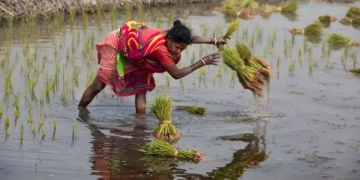
    Farm labourers plant rice saplings in a field on the outskirts of Ahmedabad, India, July 21, 2023. REUTER

    Rice planting gathers pace as monsoon rains revive

  • technology
    New Holland’s ‘Super Safar’: A Customer-Led Journey Through Haryana and Punjab

    New Holland’s ‘Super Safar’: A Customer-Led Journey Through Haryana and Punjab

    Indian Car Makers Plan Major Manufacturing Expansion After Record Gst-Driven Sales

    Indian Car Makers Plan Major Manufacturing Expansion After Record Gst-Driven Sales

    AI for Bharat: Revolutionizing Agriculture, Healthcare, and Education

    AI for Bharat: Revolutionizing Agriculture, Healthcare, and Education

    Driving Transparency: KOLTIVA Leads Sustainable Agribusiness Innovation at Agri Vietnam 2025

    Driving Transparency: KOLTIVA Leads Sustainable Agribusiness Innovation at Agri Vietnam 2025

    AI Leadership: A New Era of Innovation in Information Management

    AI Leadership: A New Era of Innovation in Information Management

    Prime Minister Sets Out AI Action Plan At UCL

    Prime Minister Sets Out AI Action Plan At UCL

    COLINES Innovative Cast MOPE Film for Printing on Show at DRUPA Event

    COLINES Innovative Cast MOPE Film for Printing on Show at DRUPA Event

    Ola Cloud Migration: Shifting IT Workload From AWS After Exiting Microsoft Azure

    Ola Cloud Migration: Shifting IT Workload From AWS After Exiting Microsoft Azure

  • Research
    HarvestPlus and Odisha University of Agriculture and Technology Join Forces to Accelerate Biofortification Research in India

    HarvestPlus and Odisha University of Agriculture and Technology Join Forces to Accelerate Biofortification Research in India

    There are four priority areas on which focused discussions will take place: food security and nutrition, sustainable agriculture through approaches of climate resilient agriculture, digitisation for agricultural transformation and public-private partnerships for research and development in the sector, an official said

    G20 MACS to focus on sustainable agriculture, food security

    Growth dips, public investment stagnant in agriculture sector

    Growth dips, public investment stagnant in agriculture sector

    State requires an outlook report to remove uncertainty in agriculture: CM

    State requires an outlook report to remove uncertainty in agriculture: CM

    Crop waste cattle feed solution ‘averts toxic fires’

    Crop waste cattle feed solution ‘averts toxic fires’

    There is need to intensify agricultural research: Minister

    There is need to intensify agricultural research: Minister

  • Economy
    India to host World Coffee Conference for first time in September

    India to host World Coffee Conference for first time in September

    India's agriculture and food inflation face challenges from erratic rains and El Nino

    India’s agriculture and food inflation face challenges from erratic rains and El Nino

    Explained: How D2C Organic Farming Is Also Empowering Local Communities

    Explained: How D2C Organic Farming Is Also Empowering Local Communities

    India can become sustainable fuel hub by using agri waste: Honeywell

    India can become sustainable fuel hub by using agri waste: Honeywell

    Sahakar Se Samriddhi: 2,500 Kisan Drones To Be Procured By IFFCO For Sustainable Agriculture

    Sahakar Se Samriddhi: 2,500 Kisan Drones To Be Procured By IFFCO For Sustainable Agriculture

    Small dairy farmers: The backbone of Indian dairy

    Small dairy farmers: The backbone of Indian dairy

    Farmers face various challenges while transitioning to organic/natural farming, including a lack of knowledge, non-availability of quality organic and bio-inputs, as well as a lack of market support to get fair and remunerative prices.

    Union Budget 2023-24: India’s farmers can take to organic agriculture with proper support

    Challenges faced by farmers due to climate change have further exacerbated the food insecurity situation across India

    Opinion | From Crop Failure to Food Security: How Climate Change Affects Farmers and Communities

  • India
    New Holland’s ‘Super Safar’: A Customer-Led Journey Through Haryana and Punjab

    New Holland’s ‘Super Safar’: A Customer-Led Journey Through Haryana and Punjab

    Manipal University Jaipur Launches International Innovation Challenge IIC 3.0

    Manipal University Jaipur Launches International Innovation Challenge IIC 3.0

    Ethereal Machines Raises US$13 Million to Boost Advanced Manufacturing in India

    Ethereal Machines Raises US$13 Million to Boost Advanced Manufacturing in India

    10th Ecowaste Exhibition & Forum To Create Blueprint For Addressing Region’s Waste Challenges

    10th Ecowaste Exhibition & Forum To Create Blueprint For Addressing Region’s Waste Challenges

    Pakka Limited and Brawny Bear Join Hands to Launch India’s First Compostable  Flexible Packaging

    Pakka Limited and Brawny Bear Join Hands to Launch India’s First Compostable Flexible Packaging

    SIG lays Foundation of its First Indian Aseptic Carton plant in Ahmedabad

    SIG lays Foundation of its First Indian Aseptic Carton plant in Ahmedabad

    VK Packwell: Transforming Indian Agriculture with Affordable & Innovative Irrigation Solutions

    VK Packwell: Transforming Indian Agriculture with Affordable & Innovative Irrigation Solutions

    Climate Change Leading to Erratic Agriculture in India

    Climate Change Leading to Erratic Agriculture in India

    India’s G20 Presidency Highlights Food Safety Net Programmes, Says Agriculture Ministry

    India’s G20 Presidency Highlights Food Safety Net Programmes, Says Agriculture Ministry

    • Rural
      Impact of Startups on Indian Agriculture and Rural Growth

      Impact of Startups on Indian Agriculture and Rural Growth

      Sahakar Se Samriddhi: 2,500 Kisan Drones To Be Procured By IFFCO For Sustainable Agriculture

      Sahakar Se Samriddhi: 2,500 Kisan Drones To Be Procured By IFFCO For Sustainable Agriculture

      Pioneering Pigeonpea Project Unveiled in India

      Pioneering Pigeonpea Project Unveiled in India

      Crop waste cattle feed solution ‘averts toxic fires’

      Crop waste cattle feed solution ‘averts toxic fires’

      Promoting Inclusive Business in Agriculture and Food Systems in India

      Promoting Inclusive Business in Agriculture and Food Systems in India

      Agri finance company Kissandhan eyes 15% of Farmers Producer Organisation business, signs up four FPOs in West Bengal

      Agri finance company Kissandhan eyes 15% of Farmers Producer Organisation business, signs up four FPOs in West Bengal

      Agro Tech 2022: Rural farmers bat for technology in agriculture

      Agro Tech 2022: Rural farmers bat for technology in agriculture

    • Startup
      Karsan’s 100% Electric Autonomous e-JEST  Hits the Roads in America

      Karsan’s 100% Electric Autonomous e-JEST Hits the Roads in America

      65 Startups Named to MedTech Innovator 2024 Cohort

      65 Startups Named to MedTech Innovator 2024 Cohort

      Yatra Unveils AI-Powered Tool to Help Smes, Large Enterprises Manage Expenses Efficiently

      Yatra Unveils AI-Powered Tool to Help Smes, Large Enterprises Manage Expenses Efficiently

      Vietnam Education Startup Prep Bags US$7 Million in Series A Funding

      Vietnam Education Startup Prep Bags US$7 Million in Series A Funding

      ’80-100 Hours a Week, No WFH’: Sachin Bansal on Building Fintech Startup Navi After Flipkart

      ’80-100 Hours a Week, No WFH’: Sachin Bansal on Building Fintech Startup Navi After Flipkart

      ‘Never had a Funding Winter… Good Firms Always had Enough Money to Back Them’: Sanjeev Bikhchandani

      ‘Never had a Funding Winter… Good Firms Always had Enough Money to Back Them’: Sanjeev Bikhchandani

      Amazon Invests US$2.75 Billion in AI Startup Anthropic

      Amazon Invests US$2.75 Billion in AI Startup Anthropic

      Agriculture Accelerator Fund To Encourage Startups: Finance Minister

      Agriculture Accelerator Fund To Encourage Startups: Finance Minister

      The agriculture budget has increased

      The agriculture budget has increased; we have now over 3,000 agri startups: PM Modi

  • Home
  • News
    Transforming Manufacturing: TAGMA’s Next-Gen Tooling Showcase at 2026 Expo

    Transforming Manufacturing: TAGMA’s Next-Gen Tooling Showcase at 2026 Expo

    Texas Agriculture Issues Urgent Alert As Invasive Pest Detected In Multiple Counties, Including Houston Area

    Texas Agriculture Issues Urgent Alert As Invasive Pest Detected In Multiple Counties, Including Houston Area

    USDA Launches New Regenerative Pilot Program To Lower Farmer Production Costs And Advance MAHA Agenda

    USDA Launches New Regenerative Pilot Program To Lower Farmer Production Costs And Advance MAHA Agenda

    Shibu Jose Joins Global Council Of The World Agriculture Forum (WAF)

    Shibu Jose Joins Global Council Of The World Agriculture Forum (WAF)

    India’s First Edible Oil Consumption Survey Underway

    India’s First Edible Oil Consumption Survey Underway

    Prime Minister Sets Out AI Action Plan At UCL

    Prime Minister Sets Out AI Action Plan At UCL

    UAE To Develop Lander For Emirates Asteroid Belt Mission

    UAE To Develop Lander For Emirates Asteroid Belt Mission

    US To Have Unlimited Access To Al Chips

    US To Have Unlimited Access To Al Chips

  • Agriculture
    Bionetix Unveils New Technology for Managing Drain System Buildup

    Bionetix Unveils New Technology for Managing Drain System Buildup

    Aries Agro Q1 FY27 Results Highlight 49% Surge in Consolidated PAT

    Aries Agro Q1 FY27 Results Highlight 49% Surge in Consolidated PAT

    Westfalia Fruit Advances Its Vision for Avocado Growth Across Asia

    Westfalia Fruit Advances Its Vision for Avocado Growth Across Asia

    South India Agriculture Conference Pushes Digital Farming, Precision Agriculture and Climate-Resilient Agriculture

    South India Agriculture Conference Pushes Digital Farming, Precision Agriculture and Climate-Resilient Agriculture

    Uneven Monsoon Raises Concerns Over India’s Kharif Crop Output as Harvest Season Nears

    Uneven Monsoon Raises Concerns Over India’s Kharif Crop Output as Harvest Season Nears

    FAO Calls for Better Climate Finance to Strengthen Global Agrifood Systems

    FAO Calls for Better Climate Finance to Strengthen Global Agrifood Systems

    India Begins Soil-Carbon Payments to Farmers, Opening a New Revenue Opportunity for Sustainable Agriculture  **NEW DELHI:** India has begun making payments to farmers linked to verified soil-carbon credits, marking a significant development in the country’s efforts to connect sustainable farming practices with emerging carbon markets.  More than **2,500 farmers across Punjab and Haryana** are receiving payments associated with measured improvements in soil carbon, according to reports on the initiative. The development offers a new potential source of income for farmers while encouraging agricultural practices aimed at improving soil health and reducing greenhouse-gas emissions.  The initiative comes as agriculture faces growing pressure to increase productivity while protecting natural resources. Continuous cultivation, excessive tillage, inefficient fertiliser use and declining soil organic matter can affect soil quality over time. Carbon-focused farming practices seek to address some of these challenges by increasing the amount of carbon stored in agricultural soils.  ## What Are Soil-Carbon Credits?  Soil-carbon credits are linked to the amount of carbon that agricultural practices can help remove from the atmosphere or retain in soil.  Farmers can potentially generate credits by adopting practices that increase soil organic carbon or reduce emissions. Depending on the methodology used, these practices can include **reduced or zero tillage, improved residue management, cover crops, crop diversification, efficient fertiliser use and other regenerative farming techniques**.  Credits are generally based on measured or verified changes rather than simply on whether a farmer has adopted a particular practice.  This distinction is important because carbon markets require evidence that claimed emissions reductions or carbon storage have actually occurred.  ## Creating an Additional Income Stream  For farmers, the most significant feature of carbon farming is the possibility of receiving income beyond conventional crop sales.  Agricultural revenue can fluctuate considerably because of weather, input prices, crop prices and market conditions. Payments associated with verified environmental outcomes could potentially provide farmers with an additional source of income.  The emerging model links a farmer’s land-management decisions with demand from organisations seeking to account for or compensate for greenhouse-gas emissions.  If carbon markets continue to develop, farmers who adopt suitable practices could potentially earn additional payments while also improving the long-term condition of their soil.  ## Why Soil Health Matters  Soil is one of agriculture’s most important natural resources.  Healthy soils contain organic matter that supports soil structure, water retention and biological activity. Increasing soil organic carbon can contribute to improved soil quality, although the effects depend on local conditions, crop systems and management practices.  Improved soil structure can potentially help fields retain water and withstand periods of moisture stress.  For Indian agriculture, this is particularly relevant as farmers in many regions face increasing pressure from irregular rainfall and water availability.  Better soil management can therefore have benefits that extend beyond carbon accounting.  ## Farmers and Regenerative Agriculture  The growth of soil-carbon programmes is also encouraging greater interest in **regenerative and climate-smart agriculture**.  These approaches generally focus on improving soil health while maintaining or increasing agricultural productivity.  Practices such as reduced tillage can limit soil disturbance. Keeping crop residues in fields can return organic material to the soil. Cover crops can protect soil between production cycles, while crop diversification can support soil biological activity.  However, no single practice is suitable for every farm.  Farmers need to consider local soil characteristics, water availability, crop requirements, machinery, labour and economics before changing their production systems.  ## Measuring Carbon Is a Critical Step  One of the biggest challenges in soil-carbon markets is determining how much carbon has actually been stored.  Unlike a manufactured product, soil carbon can change over time because of weather, cultivation and biological processes.  Carbon-credit programmes therefore need systems for **measurement, reporting and verification**.  Soil samples, field records, remote sensing, modelling and other monitoring methods can be combined to estimate changes in soil carbon.  Reliable verification is essential because buyers of carbon credits need confidence that the environmental benefit represented by a credit is real.  For farmers, accurate measurement is equally important because payments depend on the amount of verified carbon benefits attributed to their land.  ## The Importance of Long-Term Monitoring  Soil-carbon storage is not necessarily permanent.  Carbon levels can decline if land-management practices are reversed. For example, a farmer who moves toward reduced tillage and improved residue management may increase soil carbon over time, but changes in future farming practices could affect those gains.  This means carbon programmes need long-term monitoring rather than relying only on a one-time measurement.  Clear rules around monitoring, verification and the duration of carbon storage will be important as India’s agricultural carbon market develops.  ## Punjab and Haryana at the Centre of the Initiative  Punjab and Haryana have particular significance in India’s agricultural landscape.  The two states are major contributors to the country’s food production, particularly through intensive cereal-based farming systems.  At the same time, intensive agriculture has created concerns around soil health, water use and crop-residue management.  This makes the region an important testing ground for approaches that attempt to combine farm productivity with environmental improvements.  If carbon-linked payments prove economically viable, they could provide farmers with an additional incentive to experiment with improved soil-management practices.  ## Carbon Markets and Indian Agriculture  The emergence of agricultural carbon credits reflects the broader development of India’s carbon-market ecosystem.  Carbon markets are designed to create an economic value for emissions reductions or carbon removal. Companies and other organisations may purchase credits depending on regulatory requirements, voluntary commitments or other market mechanisms.  Agriculture represents a potentially large area of opportunity because soils, vegetation and agricultural practices interact directly with the carbon cycle.  However, agricultural carbon markets are still developing, and their long-term impact will depend on the quality of crediting methodologies, market demand and the costs associated with monitoring and verification.  ## Technology Could Lower the Cost of Participation  Digital technologies could play an increasingly important role in expanding soil-carbon programmes.  Satellite imagery can help monitor agricultural land, while digital farm records can provide information about crop rotations and field practices. Soil sensors and improved sampling techniques can provide additional data.  Artificial intelligence and machine-learning models may also help analyse large quantities of agricultural and environmental information.  The use of technology could eventually reduce the cost of measuring and verifying carbon outcomes, making smaller farms more practical participants in carbon markets.  ## Making Carbon Farming Accessible to Small Farmers  India’s agricultural landscape is dominated by small and marginal farmers, which means that accessibility will be critical.  If carbon-credit programmes involve expensive testing, complicated contracts or high administrative costs, smaller farmers may struggle to participate.  Programmes that aggregate farmers across multiple villages or regions could potentially reduce these costs.  Farmer-producer organisations, cooperatives and other agricultural institutions could also play a role by helping farmers understand carbon programmes, coordinate participation and access technical assistance.

    India Begins Soil-Carbon Payments to Farmers, Opening a New Revenue Opportunity for Sustainable Agriculture **NEW DELHI:** India has begun making payments to farmers linked to verified soil-carbon credits, marking a significant development in the country’s efforts to connect sustainable farming practices with emerging carbon markets. More than **2,500 farmers across Punjab and Haryana** are receiving payments associated with measured improvements in soil carbon, according to reports on the initiative. The development offers a new potential source of income for farmers while encouraging agricultural practices aimed at improving soil health and reducing greenhouse-gas emissions. The initiative comes as agriculture faces growing pressure to increase productivity while protecting natural resources. Continuous cultivation, excessive tillage, inefficient fertiliser use and declining soil organic matter can affect soil quality over time. Carbon-focused farming practices seek to address some of these challenges by increasing the amount of carbon stored in agricultural soils. ## What Are Soil-Carbon Credits? Soil-carbon credits are linked to the amount of carbon that agricultural practices can help remove from the atmosphere or retain in soil. Farmers can potentially generate credits by adopting practices that increase soil organic carbon or reduce emissions. Depending on the methodology used, these practices can include **reduced or zero tillage, improved residue management, cover crops, crop diversification, efficient fertiliser use and other regenerative farming techniques**. Credits are generally based on measured or verified changes rather than simply on whether a farmer has adopted a particular practice. This distinction is important because carbon markets require evidence that claimed emissions reductions or carbon storage have actually occurred. ## Creating an Additional Income Stream For farmers, the most significant feature of carbon farming is the possibility of receiving income beyond conventional crop sales. Agricultural revenue can fluctuate considerably because of weather, input prices, crop prices and market conditions. Payments associated with verified environmental outcomes could potentially provide farmers with an additional source of income. The emerging model links a farmer’s land-management decisions with demand from organisations seeking to account for or compensate for greenhouse-gas emissions. If carbon markets continue to develop, farmers who adopt suitable practices could potentially earn additional payments while also improving the long-term condition of their soil. ## Why Soil Health Matters Soil is one of agriculture’s most important natural resources. Healthy soils contain organic matter that supports soil structure, water retention and biological activity. Increasing soil organic carbon can contribute to improved soil quality, although the effects depend on local conditions, crop systems and management practices. Improved soil structure can potentially help fields retain water and withstand periods of moisture stress. For Indian agriculture, this is particularly relevant as farmers in many regions face increasing pressure from irregular rainfall and water availability. Better soil management can therefore have benefits that extend beyond carbon accounting. ## Farmers and Regenerative Agriculture The growth of soil-carbon programmes is also encouraging greater interest in **regenerative and climate-smart agriculture**. These approaches generally focus on improving soil health while maintaining or increasing agricultural productivity. Practices such as reduced tillage can limit soil disturbance. Keeping crop residues in fields can return organic material to the soil. Cover crops can protect soil between production cycles, while crop diversification can support soil biological activity. However, no single practice is suitable for every farm. Farmers need to consider local soil characteristics, water availability, crop requirements, machinery, labour and economics before changing their production systems. ## Measuring Carbon Is a Critical Step One of the biggest challenges in soil-carbon markets is determining how much carbon has actually been stored. Unlike a manufactured product, soil carbon can change over time because of weather, cultivation and biological processes. Carbon-credit programmes therefore need systems for **measurement, reporting and verification**. Soil samples, field records, remote sensing, modelling and other monitoring methods can be combined to estimate changes in soil carbon. Reliable verification is essential because buyers of carbon credits need confidence that the environmental benefit represented by a credit is real. For farmers, accurate measurement is equally important because payments depend on the amount of verified carbon benefits attributed to their land. ## The Importance of Long-Term Monitoring Soil-carbon storage is not necessarily permanent. Carbon levels can decline if land-management practices are reversed. For example, a farmer who moves toward reduced tillage and improved residue management may increase soil carbon over time, but changes in future farming practices could affect those gains. This means carbon programmes need long-term monitoring rather than relying only on a one-time measurement. Clear rules around monitoring, verification and the duration of carbon storage will be important as India’s agricultural carbon market develops. ## Punjab and Haryana at the Centre of the Initiative Punjab and Haryana have particular significance in India’s agricultural landscape. The two states are major contributors to the country’s food production, particularly through intensive cereal-based farming systems. At the same time, intensive agriculture has created concerns around soil health, water use and crop-residue management. This makes the region an important testing ground for approaches that attempt to combine farm productivity with environmental improvements. If carbon-linked payments prove economically viable, they could provide farmers with an additional incentive to experiment with improved soil-management practices. ## Carbon Markets and Indian Agriculture The emergence of agricultural carbon credits reflects the broader development of India’s carbon-market ecosystem. Carbon markets are designed to create an economic value for emissions reductions or carbon removal. Companies and other organisations may purchase credits depending on regulatory requirements, voluntary commitments or other market mechanisms. Agriculture represents a potentially large area of opportunity because soils, vegetation and agricultural practices interact directly with the carbon cycle. However, agricultural carbon markets are still developing, and their long-term impact will depend on the quality of crediting methodologies, market demand and the costs associated with monitoring and verification. ## Technology Could Lower the Cost of Participation Digital technologies could play an increasingly important role in expanding soil-carbon programmes. Satellite imagery can help monitor agricultural land, while digital farm records can provide information about crop rotations and field practices. Soil sensors and improved sampling techniques can provide additional data. Artificial intelligence and machine-learning models may also help analyse large quantities of agricultural and environmental information. The use of technology could eventually reduce the cost of measuring and verifying carbon outcomes, making smaller farms more practical participants in carbon markets. ## Making Carbon Farming Accessible to Small Farmers India’s agricultural landscape is dominated by small and marginal farmers, which means that accessibility will be critical. If carbon-credit programmes involve expensive testing, complicated contracts or high administrative costs, smaller farmers may struggle to participate. Programmes that aggregate farmers across multiple villages or regions could potentially reduce these costs. Farmer-producer organisations, cooperatives and other agricultural institutions could also play a role by helping farmers understand carbon programmes, coordinate participation and access technical assistance.

    BRICS New Delhi Summit Puts Focus on Agro-Ecology, Digital and Climate-Resilient Agriculture

    BRICS New Delhi Summit Puts Focus on Agro-Ecology, Digital and Climate-Resilient Agriculture

  • Farmers
    Shivraj Singh Chouhan Highlights PM-KISAN Milestone in Patna: Empowering India’s Farmers

    Shivraj Singh Chouhan Highlights PM-KISAN Milestone in Patna: Empowering India’s Farmers

    Gau Sampurna: Revolutionizing Livestock Management for India’s Farmers

    Gau Sampurna: Revolutionizing Livestock Management for India’s Farmers

    VK Packwell: Transforming Indian Agriculture with Affordable & Innovative Irrigation Solutions

    VK Packwell: Transforming Indian Agriculture with Affordable & Innovative Irrigation Solutions

    India has three cropping seasons -- summer, kharif, and rabi.

    India’s kharif crop planting area rises; paddy leading year-on-year

    Robust rains accelerate rice planting in India

    Robust rains accelerate rice planting in India

    Govt says crop insurance claims worth Rs 2,761.10 cr pending under PMFBY till 2021-22

    Govt says crop insurance claims worth Rs 2,761.10 cr pending under PMFBY till 2021-22

    India's rice planting gathers pace as monsoon rains revive

    India’s rice planting gathers pace as monsoon rains revive

    Farm labourers plant rice saplings in a field on the outskirts of Ahmedabad, India, July 21, 2023. REUTER

    Rice planting gathers pace as monsoon rains revive

  • technology
    New Holland’s ‘Super Safar’: A Customer-Led Journey Through Haryana and Punjab

    New Holland’s ‘Super Safar’: A Customer-Led Journey Through Haryana and Punjab

    Indian Car Makers Plan Major Manufacturing Expansion After Record Gst-Driven Sales

    Indian Car Makers Plan Major Manufacturing Expansion After Record Gst-Driven Sales

    AI for Bharat: Revolutionizing Agriculture, Healthcare, and Education

    AI for Bharat: Revolutionizing Agriculture, Healthcare, and Education

    Driving Transparency: KOLTIVA Leads Sustainable Agribusiness Innovation at Agri Vietnam 2025

    Driving Transparency: KOLTIVA Leads Sustainable Agribusiness Innovation at Agri Vietnam 2025

    AI Leadership: A New Era of Innovation in Information Management

    AI Leadership: A New Era of Innovation in Information Management

    Prime Minister Sets Out AI Action Plan At UCL

    Prime Minister Sets Out AI Action Plan At UCL

    COLINES Innovative Cast MOPE Film for Printing on Show at DRUPA Event

    COLINES Innovative Cast MOPE Film for Printing on Show at DRUPA Event

    Ola Cloud Migration: Shifting IT Workload From AWS After Exiting Microsoft Azure

    Ola Cloud Migration: Shifting IT Workload From AWS After Exiting Microsoft Azure

  • Research
    HarvestPlus and Odisha University of Agriculture and Technology Join Forces to Accelerate Biofortification Research in India

    HarvestPlus and Odisha University of Agriculture and Technology Join Forces to Accelerate Biofortification Research in India

    There are four priority areas on which focused discussions will take place: food security and nutrition, sustainable agriculture through approaches of climate resilient agriculture, digitisation for agricultural transformation and public-private partnerships for research and development in the sector, an official said

    G20 MACS to focus on sustainable agriculture, food security

    Growth dips, public investment stagnant in agriculture sector

    Growth dips, public investment stagnant in agriculture sector

    State requires an outlook report to remove uncertainty in agriculture: CM

    State requires an outlook report to remove uncertainty in agriculture: CM

    Crop waste cattle feed solution ‘averts toxic fires’

    Crop waste cattle feed solution ‘averts toxic fires’

    There is need to intensify agricultural research: Minister

    There is need to intensify agricultural research: Minister

  • Economy
    India to host World Coffee Conference for first time in September

    India to host World Coffee Conference for first time in September

    India's agriculture and food inflation face challenges from erratic rains and El Nino

    India’s agriculture and food inflation face challenges from erratic rains and El Nino

    Explained: How D2C Organic Farming Is Also Empowering Local Communities

    Explained: How D2C Organic Farming Is Also Empowering Local Communities

    India can become sustainable fuel hub by using agri waste: Honeywell

    India can become sustainable fuel hub by using agri waste: Honeywell

    Sahakar Se Samriddhi: 2,500 Kisan Drones To Be Procured By IFFCO For Sustainable Agriculture

    Sahakar Se Samriddhi: 2,500 Kisan Drones To Be Procured By IFFCO For Sustainable Agriculture

    Small dairy farmers: The backbone of Indian dairy

    Small dairy farmers: The backbone of Indian dairy

    Farmers face various challenges while transitioning to organic/natural farming, including a lack of knowledge, non-availability of quality organic and bio-inputs, as well as a lack of market support to get fair and remunerative prices.

    Union Budget 2023-24: India’s farmers can take to organic agriculture with proper support

    Challenges faced by farmers due to climate change have further exacerbated the food insecurity situation across India

    Opinion | From Crop Failure to Food Security: How Climate Change Affects Farmers and Communities

  • India
    New Holland’s ‘Super Safar’: A Customer-Led Journey Through Haryana and Punjab

    New Holland’s ‘Super Safar’: A Customer-Led Journey Through Haryana and Punjab

    Manipal University Jaipur Launches International Innovation Challenge IIC 3.0

    Manipal University Jaipur Launches International Innovation Challenge IIC 3.0

    Ethereal Machines Raises US$13 Million to Boost Advanced Manufacturing in India

    Ethereal Machines Raises US$13 Million to Boost Advanced Manufacturing in India

    10th Ecowaste Exhibition & Forum To Create Blueprint For Addressing Region’s Waste Challenges

    10th Ecowaste Exhibition & Forum To Create Blueprint For Addressing Region’s Waste Challenges

    Pakka Limited and Brawny Bear Join Hands to Launch India’s First Compostable  Flexible Packaging

    Pakka Limited and Brawny Bear Join Hands to Launch India’s First Compostable Flexible Packaging

    SIG lays Foundation of its First Indian Aseptic Carton plant in Ahmedabad

    SIG lays Foundation of its First Indian Aseptic Carton plant in Ahmedabad

    VK Packwell: Transforming Indian Agriculture with Affordable & Innovative Irrigation Solutions

    VK Packwell: Transforming Indian Agriculture with Affordable & Innovative Irrigation Solutions

    Climate Change Leading to Erratic Agriculture in India

    Climate Change Leading to Erratic Agriculture in India

    India’s G20 Presidency Highlights Food Safety Net Programmes, Says Agriculture Ministry

    India’s G20 Presidency Highlights Food Safety Net Programmes, Says Agriculture Ministry

    • Rural
      Impact of Startups on Indian Agriculture and Rural Growth

      Impact of Startups on Indian Agriculture and Rural Growth

      Sahakar Se Samriddhi: 2,500 Kisan Drones To Be Procured By IFFCO For Sustainable Agriculture

      Sahakar Se Samriddhi: 2,500 Kisan Drones To Be Procured By IFFCO For Sustainable Agriculture

      Pioneering Pigeonpea Project Unveiled in India

      Pioneering Pigeonpea Project Unveiled in India

      Crop waste cattle feed solution ‘averts toxic fires’

      Crop waste cattle feed solution ‘averts toxic fires’

      Promoting Inclusive Business in Agriculture and Food Systems in India

      Promoting Inclusive Business in Agriculture and Food Systems in India

      Agri finance company Kissandhan eyes 15% of Farmers Producer Organisation business, signs up four FPOs in West Bengal

      Agri finance company Kissandhan eyes 15% of Farmers Producer Organisation business, signs up four FPOs in West Bengal

      Agro Tech 2022: Rural farmers bat for technology in agriculture

      Agro Tech 2022: Rural farmers bat for technology in agriculture

    • Startup
      Karsan’s 100% Electric Autonomous e-JEST  Hits the Roads in America

      Karsan’s 100% Electric Autonomous e-JEST Hits the Roads in America

      65 Startups Named to MedTech Innovator 2024 Cohort

      65 Startups Named to MedTech Innovator 2024 Cohort

      Yatra Unveils AI-Powered Tool to Help Smes, Large Enterprises Manage Expenses Efficiently

      Yatra Unveils AI-Powered Tool to Help Smes, Large Enterprises Manage Expenses Efficiently

      Vietnam Education Startup Prep Bags US$7 Million in Series A Funding

      Vietnam Education Startup Prep Bags US$7 Million in Series A Funding

      ’80-100 Hours a Week, No WFH’: Sachin Bansal on Building Fintech Startup Navi After Flipkart

      ’80-100 Hours a Week, No WFH’: Sachin Bansal on Building Fintech Startup Navi After Flipkart

      ‘Never had a Funding Winter… Good Firms Always had Enough Money to Back Them’: Sanjeev Bikhchandani

      ‘Never had a Funding Winter… Good Firms Always had Enough Money to Back Them’: Sanjeev Bikhchandani

      Amazon Invests US$2.75 Billion in AI Startup Anthropic

      Amazon Invests US$2.75 Billion in AI Startup Anthropic

      Agriculture Accelerator Fund To Encourage Startups: Finance Minister

      Agriculture Accelerator Fund To Encourage Startups: Finance Minister

      The agriculture budget has increased

      The agriculture budget has increased; we have now over 3,000 agri startups: PM Modi

No Result
View All Result
Modern Agriculture India
No Result
View All Result
Home Agriculture

India’s horticulture sector holds untapped potential despite challenges

Junior Editor by Junior Editor
3 years ago
in Agriculture, Farmers, Featured, India
0 0
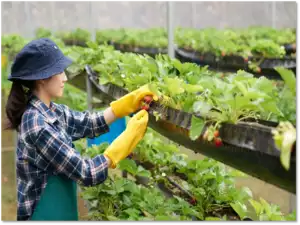
India's horticulture sector holds untapped potential despite challenges
Share on FacebookShare on Twitter
Post Views: 314

India’s horticulture sector holds untapped potential despite challenges

Synopsis
The horticulture sector faces many production challenges that stop it from realising its full potential, such as small operational landholdings, lack of irrigation and poor soil management.

India’s horticulture sector has proven to be more profitable and productive than the agricultural sector and has emerged as a rapidly growing industry. According to the Agricultural and Processed Food Products Export Development Authority (APEDA), India ranks second in fruits and vegetable production in the world after China. The country’s advantage lies in being a low-cost producer of fruits and vegetables because of a combination of factors such as favourable agro-climatic conditions, availability of labour, and low input costs. As a result, fruits and vegetables account for almost 90% of the total horticulture production in the country.

Horticulture contributes around 30.4% to the Gross Domestic Product (GDP) while using only 13.1% of the gross cropped area, making it a significant player in India’s agricultural growth. In recent years, the total horticulture production in India has even exceeded the total production of food grains, highlighting the potential of the sector. Horticulture not only contributes to the nutritional needs of the country but also creates additional job opportunities in rural areas, expands the range of agricultural activities, and generates higher incomes for farmers.

The productivity of horticulture has increased significantly from 8.8 tonnes per hectare (TPH) in 2001-02 to 12.1 TPH in 2020-21, leading to a sharp rebound in production and acreage, far outpacing foodgrains production since 2012-13. In 2021-22, the total horticulture production was around 341.63 million tonnes, with fruit production at around 107.10 million tonnes and vegetable production at around 204.61 million tonnes. With its vast production base in horticulture, there is ample opportunityfor export, with fresh fruits and vegetables being a major contributor. APEDA estimates that the country exported fresh fruits and vegetables worth INR 11,412.50 crore during 2021-22. Bangladesh, UAE, Nepal, Netherlands, Malaysia, Sri Lanka, the UK, Oman, and Qatar are the major export destinations for fresh fruits and vegetables.

But despite the fact that India’s horticulture sector is growing, the country’s share in global trade remains insignificant, accounting for only 1% of the global trade in vegetables and fruits. Export growth is being undermined by production challenges, marketing challenges, inadequate transport infrastructure, fragmented supply chains, and insufficient storage facilities. These factors result in delays and wastage and discourage farmers from improving the quality of their produce.

The horticulture sector faces many production challenges that stop it from realising its full potential, such as small operational landholdings, lack of irrigation and poor soil management. Take for instance, small operational landholdings that limit the amount of land available for cultivation, which in turn limits the number of horticultural crops that can be produced. Limited land availability also affects crop rotation and the use of sustainable agricultural practices, as small farmers may not have the space to rotate crops effectively or implement sustainable soil management practices. This can lead to reduced yields and decreased soil fertility over time.

Insufficient access to water for irrigation, coupled with poor soil management practices such as over-tilling, over-fertilising, and monocropping, can reduce soil fertility, leading to lower yields and lower-quality produce. Lack of irrigation can be particularly detrimental during dry spells or droughts, where crops can quickly wither and die due to insufficient water supply. In contrast, excessive water can also be harmful, leading to waterlogging, root damage, and reduced yields. The Government is addressing the irrigation problem through the Pradhan Mantri Krishi Sinchayee Yojana (PMKSY), which aims to promote the development of irrigation infrastructure, expand the cultivable areas, and enhance on-farm water efficiency. Pests and diseases are another constant threat to horticultural crops. Insect infestations, fungal infections, and other diseases can spread quickly, leading to lower production levels and crop losses.

The limited outreach of farm insurance and farm mechanisation, combined with a lack of access to institutional credit for small and marginal farmers, contribute to lower investment in the sector. To ensure the flow of adequate credit, the Government sets annual targets for the flow of credit to the agriculture sector, Banks have been consistently surpassing the annual target. Notably, the Government provides interest subvention of 2% on short-term crop loans up to INR 3 lakh.

Climate change, such as changing weather patterns, droughts, floods, and other natural disasters, is another significant challenge that can lead to crop failures and losses, which ultimately affects the sector’s overall output. Land lease constraints also pose a challenge, particularly for small farmers who may not have access to adequate land for cultivation.

The horticulture sector also suffers because of weak Farmer Producer Organisations (FPOs), which typically play a vital role in the development of the horticulture sector by providing farmers with access to markets, financing, and technical assistance. The weakness of these organisations contributes to the sector’s challenges, limiting farmers’ ability to benefit fully from the opportunities available. Recognising the need to increase the bargaining power of farmers, the Government is implementing an FPO formation and promotion scheme with a budgetary outlay of over INR 6,300 crore. This scheme aims to promote the formation and strengthening of FPOs and agri-entrepreneurship development among farmers.

The horticulture marketing chain faces its own set of challenges due to the perishable nature of fruits and vegetables, which makes it difficult to store and transport them efficiently. Poor logistics and lack of equitable cold storage and warehousing facilities contribute to delays and wastages. The cold storage distribution among the states is inequitable, with around 59% of the storage capacity (i.e., 21 MMT) present in the four states of Uttar Pradesh, West Bengal, Gujarat, and Punjab, and most of it is only for the potato crop. Top crops have a short shelf life because of the absence of storage and warehousing facilities, which causes price rises in the same months every year. There is also a lack of guidance for farmers on which crops to plant, resulting in overproduction of certain commodities and shortages of others.

The horticulture sector will have to take measures to improve its production and value chain system. To address the issues faced by the horticulture sector, Bayer and The Economic Times have come together to organise a national seminar called the India Horticulture Future Forum 2023 on 26 April 2023. Grant Thornton Bharat LLP is the Knowledge Partner for the event. The forum aims to deliberate on the future of Indian horticulture, focusing on developments, opportunities, and challenges in the sector

Despite the numerous constraints faced by the horticulture sector, there are several opportunities for improvement. One such opportunity is the Agricultural Marketing and Farmer Friendly Reforms Index, launched by the NITI Aayog, which ranks states and union territories based on their implementation of provisions proposed under the model APMC Act, joining the e-NAM initiative, providing special treatment to fruits and vegetables for marketing, and tax levies in mandis.

The Government is also working on reducing crop losses through the Pradhan Mantri Fasal Bima Yojana (PMFBY), which provides comprehensive crop insurance coverage from pre-sowing to post-harvest losses against non-preventable natural risks. Another key initiative is the Centre’s Cluster Development Programme which has the potential to revolutionise the value chain by enhancing its scale. The programme aims to promote the integrated and market-led development of pre-production, production, post-harvest, logistics, branding, and marketing activities by leveraging the geographical specialisation of horticulture clusters.

Meanwhile, the Ministry of Food Processing Industries has launched several schemes aimed at promoting the food processing industry in India, including the creation of cold chain infrastructure, agro-processing clusters, backward and forward linkages, preservation infrastructure, Operation Greens, and Mega Food Parks. These schemes provide various facilities to food processing units, such as storage, testing labs, and logistics, while also stabilising the supply and prices of perishable commodities and promoting their value addition. The Government has also introduced post-harvest infrastructure schemes to reduce post-harvest losses, a Land Lease Act to help legalise leasing and allow tenants access to insurance and credit, and Soil Health Cards to promote soil health.

India is globally recognised as one of the top producers of fruits and vegetables, and the horticulture sector has consistently performed well in terms of production. By implementing these measures, the horticulture sector can expand even further and generate increased profitability for farmers. This growth can also help meet the rising demand for fruits and vegetables, both domestically and internationally.

News Source

#agriculture #technology #agri-tech #scheme #research #farmers #resources #economy #pollution #startup

Junior Editor

Junior Editor

Next Post
A major highlight of this year’s budget was the seven priorities identified to guide the vision of Amrit Kaal, ambitiously referred to as the saptarishi by the finance minister

Reiterating the need for eco-friendly agriculture in India

Leave a Reply Cancel reply

Your email address will not be published. Required fields are marked *

Recommended

Bionetix Unveils New Technology for Managing Drain System Buildup

Bionetix Unveils New Technology for Managing Drain System Buildup

October 1, 2026
Aries Agro Q1 FY27 Results Highlight 49% Surge in Consolidated PAT

Aries Agro Q1 FY27 Results Highlight 49% Surge in Consolidated PAT

September 29, 2026
Westfalia Fruit Advances Its Vision for Avocado Growth Across Asia

Westfalia Fruit Advances Its Vision for Avocado Growth Across Asia

September 22, 2026
South India Agriculture Conference Pushes Digital Farming, Precision Agriculture and Climate-Resilient Agriculture

South India Agriculture Conference Pushes Digital Farming, Precision Agriculture and Climate-Resilient Agriculture

September 21, 2026

About Us

Welcome to our complete News Portal about Modern Agriculture India, Press Release, News, and Articles. Take your time and immerse yourself in this amazing experience!
Read More..

MODERN BUSINESS GLOBAL NETWORK

Modern Business India
Modern Business Network
Modern Business Gulf
Modern Business PR
Modern Business Asia
Load More

Bionetix Unveils New Technology for Managing Drain System Buildup

Bionetix Unveils New Technology for Managing Drain System Buildup

October 1, 2026

MODERN PLASTICS GLOBAL NETWORK

Modern Plastics India
Modern Plastics Global
Modern Plastics Asia
Modern Plastics Europe
Modern Plastics America
Load More

UFlex to Showcase Advanced Machine Technology at PlastFocus 2024

UFlex to Showcase Advanced Machine Technology at PlastFocus 2024

February 13, 2024

WOMEN INDIA NETWORK

Women India Network
Women India Org
Modern Women India
Women India Tv
Modern Beauty N Fitness
Load More

Bionetix Unveils New Technology for Managing Drain System Buildup

Bionetix Unveils New Technology for Managing Drain System Buildup

October 1, 2026

© 2026 Modern Agriculture India -A Part of Modern Business Network (Germany).
Website Design: Chrysolite Media Network Pvt. Ltd.

No Result
View All Result
  • Home
  • News
  • Agriculture
  • Farmers
  • technology
  • Research
  • Economy
  • India
    • Rural
    • Startup

© 2026 Modern Agriculture India -A Part of Modern Business Network (Germany).
Website Design: Chrysolite Media Network Pvt. Ltd.

Welcome Back!

Login to your account below

Forgotten Password?

Retrieve your password

Please enter your username or email address to reset your password.

Log In