



















Agri Experts to Tour Farms in October to Strengthen Rabi Crop
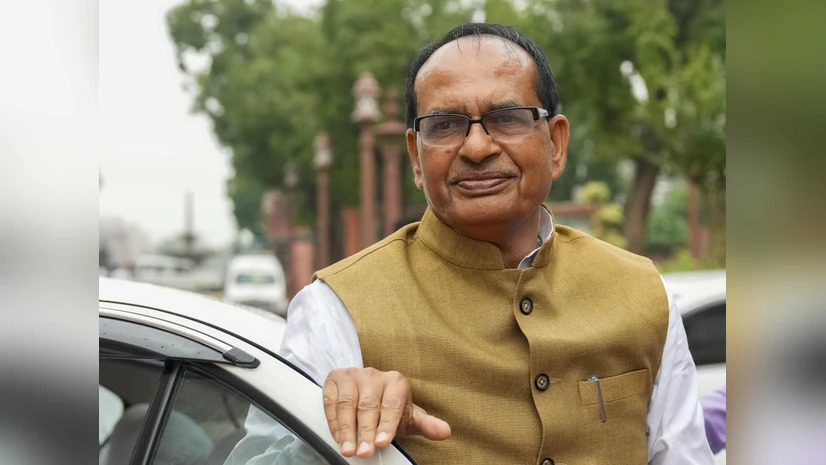
In a proactive move aimed at ensuring a successful rabi (winter) crop season, Agriculture Minister Shivraj Singh Chouhan announced that agricultural scientists will visit farm fields across the country between October 3 and 18. The initiative, according to the minister, is part of the government’s broader commitment to strengthening agricultural productivity and safeguarding the welfare of farmers.
Speaking at an interaction with farmers, held as part of the Independence Day celebrations, Chouhan highlighted that the government’s priority remains the protection and upliftment of farmers, dairy farmers, and fishermen. The presence of farmers as special guests at the event, he said, was a symbolic recognition of their contribution to the nation’s economy and food security.
A Practical Approach to Agriculture
Chouhan emphasized that agriculture policies and schemes must not be paper bound but should have a direct bearing on the lives of farmers. “We must show the work of the Government in the lives of the people, not in files,” he said, emphasizing the need for beneficiaries to see work on the ground.
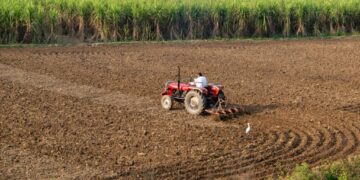
Because of this, the minister had an agricultural scientist go and work directly in the field with farmers to foster a connection between research and its application. This is expected to connect the research scientists directly to farmer ‘s insights and get them thinking and interacting at the farm level. When agricultural experts engage with farmers agriculturally they also have the unique opportunity to offer farmers advice about seed varieties, soil preparation and fertility, water management, and pest and disease control factors that greatly impact yield and viability of the rabi crop.
The Importance of Rabi Crops
Rabi crops, which include wheat, mustard, barley, chickpea, and peas, are sown after the monsoon season and harvested in spring. They are a significant part of the food basket in India (particularly wheat, the second widely consumed staple in the country after rice), and therefore ensuring a good rabi harvest is important not only for the incomes of farmers, but also for food security and food price stability at a national level.
It is also even more prudent for agricultural scientists to be a part of the process because of climate variability, unexpected rainfall patterns, and increasing input costs. With proper research and analysis by scientists, farmers who are armed with precise information can farm in a more resilient manner and attain maximum yields under developing and changing conditions.
Government’s Commitment to Farmers
The event also witnessed the participation of senior leaders including Union Ministers of State for Agriculture Ramnath Thakur and Bhagirath Chaudhary, Agriculture Secretary Devesh Chaturvedi, and ICAR Director General ML Jat. Their presence underscored the central government’s collective push towards agricultural development and farmer welfare.
Chouhan reiterated that farmer welfare is not just a slogan but a central pillar of policy-making. The government, he said, is focused on ensuring that initiatives such as crop insurance schemes, soil health cards, minimum support prices (MSP), and irrigation projects directly benefit cultivators and reduce risks associated with farming.
Farmers as a Part of National Development
When inviting farmers as a special guests for the Independence Day they are not just doing it as a formality. This indicates the government’s recognition of farmers as the backbone of the country’s economy. By engaging with farmers and cultivators at a substantial, national event, the government is trying to build trust and show the importance of agriculture in India’s development.
Chouhan further added that while India may be progressing rapidly, significantly in terms of industry, services and technology, in reality, the country’s strength is its food self-reliance. Ensuring prosperous and secure farming communities, therefore, remains crucial.
Looking Forward: Farm Visits in October
The visits by scientists to farms this October will comprehensively cover agricultural areas. These visits will provide farmers with immediate advice and will provide policymakers with real-time feedback on difficulties in the fields. That feedback can help develop more farmer-centric policies.
Experts believe that field-level interactions could also expedite the uptake of modern technologies such as precision farming, climate-smart production, and digital advisory services. Farmers can blend traditional knowledge with scientific innovation to improve production, cut costs on inputs, and decrease the environmental footprint.
https://www.business-standard.com/
#RabiCropBoost #AgriScientists #FarmSupport#printpublication
#modernagriculturetimes#modernagricultureindia#modernagricultureindia