


























Tomatoes at ₹120/kg, ginger at ₹250/kg: After heatwave, rains soar vegetable prices
Wholesale market officials claimed the prices will likely moderate in the next 10-12 days with the arrival of fresh vegetable stocks.
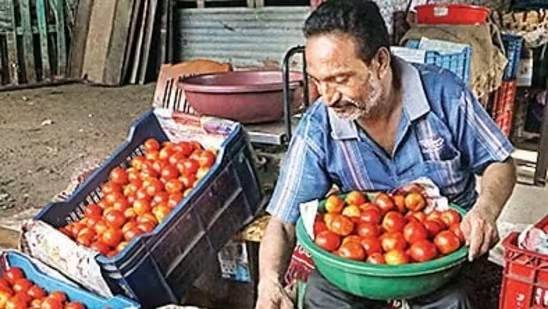
New Delhi/Chandigarh/Lucknow : A heat wave in parts of the country in June followed by incessant rains over the past fortnight has resulted in a spike in prices of vegetables across India with the retail price of tomato touching ₹120 per kilogram in some states, that of ginger reaching ₹250 a kg, and that of brinjal, ₹100 officials of the agriculture produce committees of several states said.
According to vegetable vendors in Lucknow, Delhi and Chandigarh, the retail price of ginger has increased from about ₹100 a kilogram to ₹250 in a week, tomato from ₹40 a kilogram to ₹120 in 10 days and brinjal from ₹40 to ₹100 per kilogram in around the same time . Other vegetables have also seen a price increase between 20% and 60% over the past 10 days, they said.
Wholesale market officials claimed the prices will likely moderate in the next 10-12 days with the arrival of fresh vegetable stocks from central and southern India — but only if rains do not play spoilsport. “We expect the prices to come down once fresh stocks from southern states start arriving,” said Harpreet Singh, a supervisor at Punjab Mandi Board in Chandigarh.
Singh said heatwave conditions in June, followed by monsoon rains have damaged the vegetables crop in the plains and hills of northern India. “When local production stops, we get tomatoes from the hills but due to the monsoon and the sudden blockade on highways due to landslides, the supply became erratic, thus leading to a steep hike ,” he added.
To be sure, the prices of vegetables and fruits typically rise during the monsoon months due to crop damage and hold-ups in transportation of goods because of rains and flooding. Many parts of south-western India are facing flooding due to incessant rains in the past four days leading to a poor supply of vegetables to the northern states.

Uttar Pradesh farmer, Ram Saran Verma, said local vegetable crops were damaged because of excess heat even as the supply from Nashik in Maharashtra and areas around Bengaluru in Karnataka has been less. “This led to price rise,” he said. Bathinda based vegetable grower, Navalpreet Singh, said fields got flooded ruining the crop. “I could save only 20% of the crop.”
A wholesale trader at Delhi’s Azadpur fruit and vegetable market , Raminder Shukla, said the arrival of vegetables in the capital’s biggest market has fallen by 40%-50% , leading to higher wholesale prices. “Because of the high prices, the offtake of higher priced vegetables such as tomato and lemon is also less.”
The Central government’s agriculture market portal that provides online daily wholesale prices of commodities showed that tomato prices ranged between ₹14,800 per quintal (100 kg) in Tripura to 1600 per quintal in Madhya Pradesh’s Khargone, the major source of tomato in this season. In most places, the average wholesale price for a quintal of tomato was ₹8,000 to ₹10,000.
A quintal of cauliflower was being sold for ₹4,000 in Chandigarh and ₹1,200 in Shivpuri, Madhya Pradesh, the major production hub in this season. Similarly, the wholesale price of a quintal of mushrooms was ₹8,500 in Ludhiana and ₹3,500 in Palampur in Himachal.
Fruits and vegetables are bought by traders in the hubs, who then sell them to wholesalers across the country. “The huge difference in the prices is because transportation costs are very high. If the commodity is in short supply, the profit margin per quintal is higher. More the traders in between the source and final destination market, the higher e the difference,” said a senior government official, who asked not to be named.
To soften the price burden, several state governments such as Tamil Nadu and Karnataka are selling vegetables through fair price shops at a subsidised rates; tomato, for instance, is available at ₹60 per kilogram. In Tamil Nadu, the government has decided to sell only one kilogram of tomato per person. In Karnataka, the state government has asked PDS shop-owners to sell vegetables at the lowest price possible.
In Shimla, a local resident Babli Salotra urged the government to take steps to control the rising prices. “The prices of tomatoes have gone drastically high. is becoming tough for us to buy vegetables.”
That’s a common refrain of homemakers across India.
#agriculture #technology #agri-tech #scheme #research #farmers #resources #economy #pollution #startup